Collecting the Path: Why Spiritual Seekers Keep Purchasing Transformation Instead of Pursuing It
The Shelf Full of Intentions
Somewhere in the average American home, there is likely a corner that tells a particular story. Perhaps it holds a singing bowl purchased at a weekend wellness fair, a stack of unfinished meditation journals, a subscription to at least one mindfulness app that has not been opened in three weeks, and the printed confirmation email for a retreat that was booked during a moment of genuine longing — and then quietly cancelled. These objects are not evidence of failure. They are evidence of something more instructive: the deeply human tendency to confuse acquiring the instruments of transformation with undergoing it.
This pattern has a name in consumer psychology — it is sometimes called "identity-based purchasing," the act of buying objects or experiences that signal membership in a desired version of oneself. But within the context of contemplative life, the stakes of this confusion are considerably higher. The monk does not accumulate. The monk practices. And the distance between those two orientations is, in many traditions, the entire point.
What Monastic Traditions Actually Require
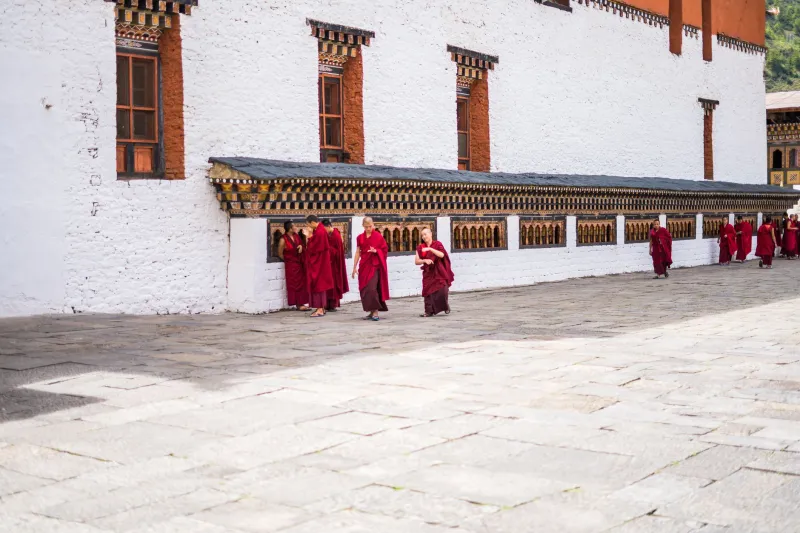
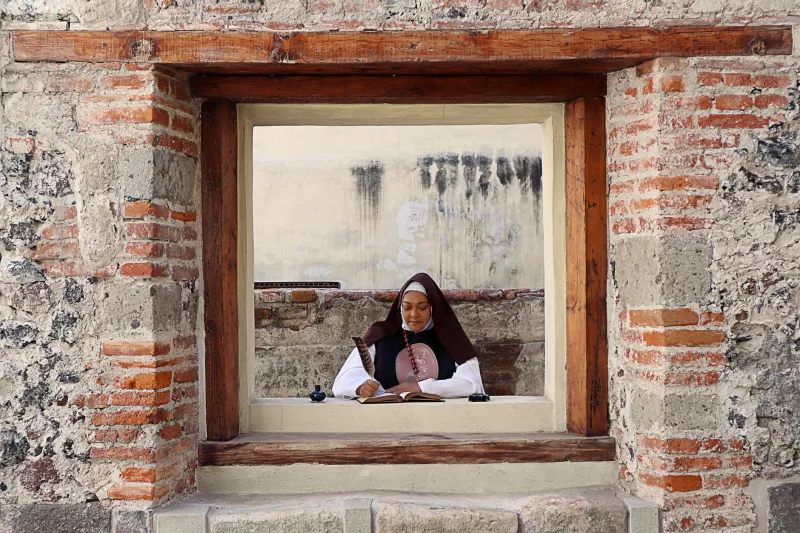
Consider what genuine monastic formation demands. In the Benedictine tradition, a novice entering a monastery does not begin by selecting the finest habit or curating a personal prayer space. The novice begins with obedience — to a schedule, to a community, to a rule of life that was not designed for comfort. The first years of formation involve repetition so unglamorous that many candidates leave not because the practice is too severe, but because it is too ordinary. Lauds at five-thirty in the morning. Manual labor. The same psalms, the same meals, the same silence — day after week after year.
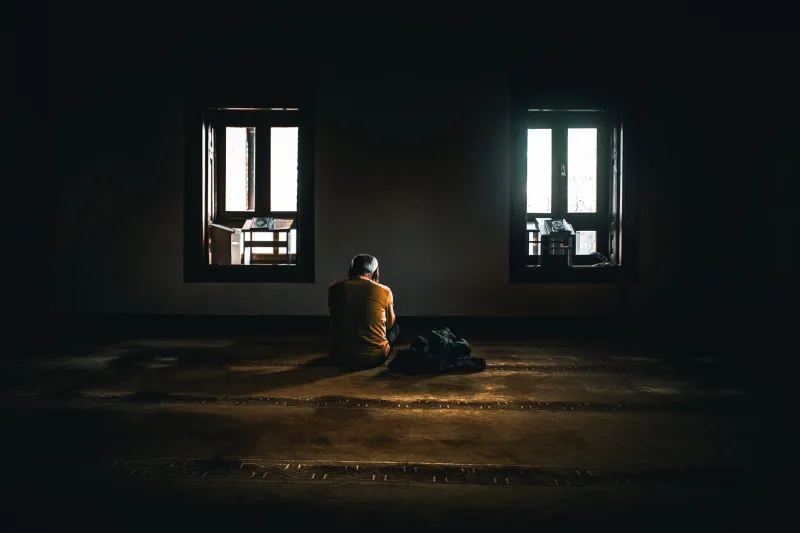
Zen training carries a similar quality. The zendo is deliberately spare. The practice of zazen — seated meditation — offers no novelty, no progress metrics, no curated soundscape. There is the cushion, the breath, and the instruction to return to both when the mind wanders. That is essentially the entirety of the method. What makes it transformative is not its sophistication but its relentlessness. The practice is done whether one feels ready or not, whether inspiration is present or absent, whether the previous session felt meaningful or hollow.
This is the aspect of monastic life that spiritual commerce cannot package, because it is, by nature, unsellable. No app can replicate the effect of a commitment made not to a product but to a way of being.
The Comfort of the Transaction
Why, then, do so many sincere seekers find themselves in cycles of purchasing rather than practicing? The answer is not cynicism — most people who buy a meditation course or book a silent retreat are acting from genuine aspiration. The problem is structural. The act of purchasing provides an immediate and measurable sense of progress. The credit card clears; the confirmation arrives; the sense of having done something registers in the nervous system as satisfying. The actual work of sitting with an unsettled mind, by contrast, offers no such immediate reward. It is uncomfortable, ambiguous, and slow.
There is also the matter of identity. In contemporary wellness culture — particularly in urban American markets — the curated spiritual life has become a form of social currency. The retreat photograph, the app streak, the carefully arranged altar corner shared on social media all communicate something about who one aspires to be. The monastery, notably, has no interest in this communication. Monastic practice is, almost by definition, invisible. Its fruits emerge over years, not in shareable moments.
This is not a moral indictment of anyone who has purchased a wellness product. It is, rather, an invitation to examine what that purchase was actually meant to do — and whether the underlying need might be better served by a different kind of commitment.
The Accumulation Audit
One useful exercise drawn from contemplative traditions is the practice of honest inventory — not of one's virtues, but of one's habits. Consider the following questions, not as accusations but as genuine inquiries:
How many meditation resources do you currently own or subscribe to? Of those, how many are in regular use? When you last felt spiritually restless, what was your first impulse — to sit with the discomfort, or to search for something new? Is there a practice you have already been taught that you have not yet fully committed to?
The monastic answer to spiritual restlessness is almost never acquisition. It is, instead, a return to the practice already at hand — deepened, not replaced. St. Benedict's instruction to the monk who struggles is not to seek a better monastery. It is to remain where he is and look more honestly at what within him resists staying.
One Tool, Used Faithfully
This is not an argument against all spiritual resources. Books, teachers, retreats, and even well-designed apps can serve genuine functions — particularly in the early stages of practice, when some scaffolding is necessary. The issue arises when the scaffolding becomes the building, when the support structures multiply faster than the practice they are meant to support.
The contemplative traditions that have produced the most enduring fruit — Benedictine monasticism, Theravada vipassana, the Carmelite interior life, Quaker silent worship — share a common structural feature: they are built around one or two core practices, maintained with extraordinary fidelity over long periods of time. The depth achieved is a function not of variety but of return. The practitioner comes back to the same ground, again and again, until that ground begins to yield something that novelty never could.
If you have a practice — however modest, however imperfect — that you have been neglecting in favor of searching for a better one, there is a reasonable chance that the better practice is the one you already have. Not because it is perfect, but because the act of returning to it, despite its imperfections, is itself the discipline.
The Unglamorous Door
Monastic life is not photogenic in the way that wellness culture has trained us to expect. The monk sweeping the same corridor for the fortieth year is not a compelling Instagram subject. The contemplative who has sat with the same unresolved interior question for a decade does not have a tidy testimonial to offer. But the depth available through that kind of sustained, unglamorous commitment is not available through any other door.
The next time the impulse arises to purchase a new course, download a new app, or book another introductory retreat, it may be worth pausing long enough to ask one honest question: Is this genuinely the next step in my practice — or is it a comfortable substitute for the step I have been avoiding?
The cushion is already there. The breath is already available. The practice, in most cases, is already known. What remains is simply the willingness to begin — and then, far more importantly, to continue.