The Gift of Ordinary Days: Rediscovering What Monks Found in Repetition
The Stimulation Economy
The average American now checks their phone somewhere between eighty and one hundred times per day. Not because they are waiting for urgent news. Not because they are coordinating something complex. But because the brief, low-grade discomfort of an unoccupied moment has become, for many of us, genuinely intolerable.
We have built an entire economy around this intolerance. Streaming platforms, social media feeds, podcast libraries, and infinite scroll architectures all exist, in part, to ensure that boredom never gets a foothold. The implicit cultural message is clear: a moment without stimulation is a moment wasted, and a life with too many such moments is a life poorly lived.
Monastic tradition would disagree, quietly but firmly.
The Rhythm That Shapes the Person
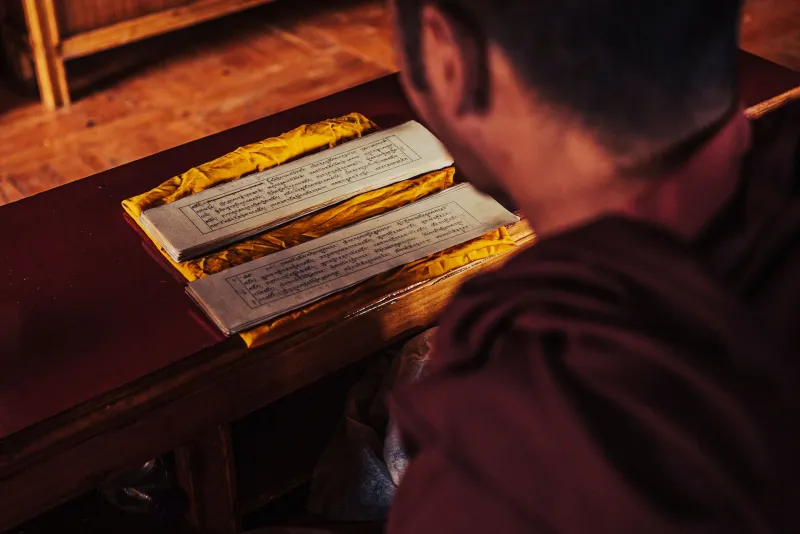
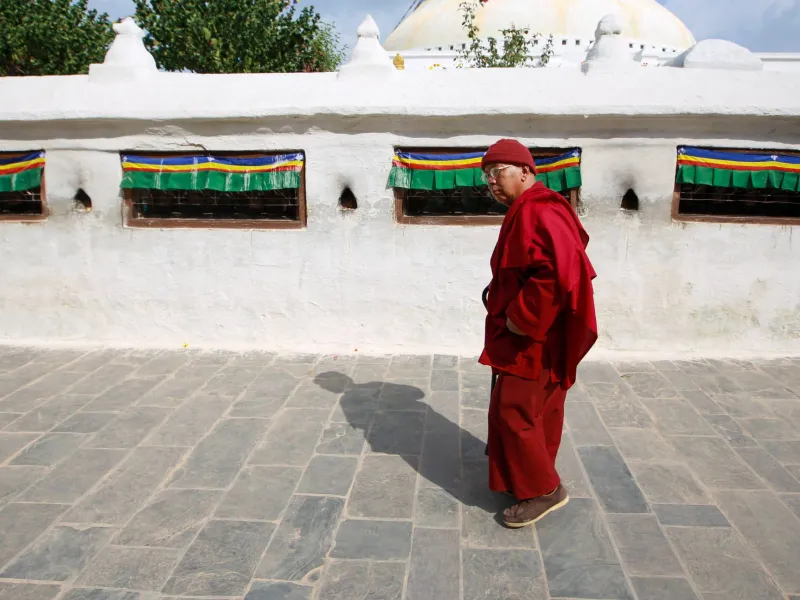
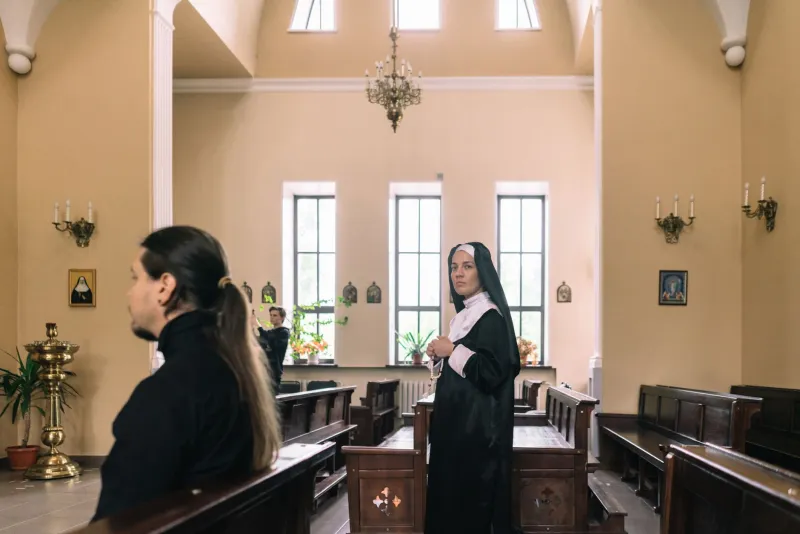
In a Benedictine monastery, the daily schedule changes very little from one year to the next. The Divine Office calls the community to prayer seven times each day, at hours that have remained largely consistent for fifteen centuries. The same psalms cycle through every week or every few weeks, depending on the community's practice. The same seasons of the liturgical year return with the same readings, the same antiphons, the same gestures.
From the outside, this looks like the definition of monotony. And in a strictly descriptive sense, it is. The monk who has been in community for thirty years has sung the same psalm hundreds of times. He has observed the same feast days dozens of times. He has eaten the same simple meals in the same refectory for decades.
What the tradition discovered — and what contemporary neuroscience is beginning to confirm — is that this kind of structured repetition does not deaden experience. It deepens it.
When the external landscape of a day becomes predictable, attention is freed from the constant work of novelty-processing and becomes available for something subtler. The monk who has sung a particular psalm two hundred times begins to hear things in it that he could not hear the first twenty times. The repetition is not the obstacle to presence. It is the condition for it.
Boredom's Hidden Invitation
The psychologist Sandi Mann, who has studied boredom extensively, has argued that the uncomfortable state we call boredom is actually the mind signaling that it is ready to shift from external consumption to internal generation. Boredom, in this reading, is not a deficiency but a doorway — one that our relentless stimulation-seeking consistently slams shut before we can cross the threshold.
The desert fathers understood this, though they did not use Mann's vocabulary. The monk Abba Poemen spoke of staying in one's cell as the primary discipline — not because the cell was pleasant but because the discomfort of staying, of resisting the urge to flee into distraction, was precisely where the formative work happened. The Greek term acedia, often translated as spiritual sloth, described a specific restlessness that arose in monks around midday: a nagging sense that the life they were living was insufficient, that something more important was happening elsewhere, that they should be doing something other than what they were doing.
This is, of course, a perfect description of the condition produced by infinite scroll.
The monastic response to acedia was not to find something more stimulating. It was to stay. To remain with the discomfort until it passed, and to discover what was on the other side of it.
What Repetition Builds
There is a practical dimension to the monastic embrace of repetition that is worth naming directly, because it offers something genuinely applicable to contemporary American life.
Community identity, in a monastery, is built not through exceptional experiences but through shared ordinary ones. The monks who have prayed together every morning for twenty years share something that a weekend retreat cannot replicate. The texture of a life built from thousands of unremarkable shared moments creates a depth of belonging that novelty-based bonding simply cannot achieve.
This has direct implications for how we structure our relationships. American culture tends to invest heavily in peak experiences — the vacation, the celebration, the special occasion — while treating ordinary shared time as the filler between the real moments. Monastic experience suggests this hierarchy is exactly backward. The meal eaten together in comfortable silence, the evening walk taken without agenda, the ritual of morning coffee repeated across years: these are not the filler. They are the substance.
Practicing Ordinariness
For those who wish to experiment with what the tradition discovered, the entry point is simpler than it might appear. It does not require a monastery or a vow.
Begin with a single daily practice held without variation for thirty days. Not an elaborate practice — it might be as simple as sitting quietly for ten minutes after waking, or reading a single page of a chosen text before sleep. The content matters less than the consistency. What you are practicing is not the specific activity but the capacity to remain with repetition without demanding that it become more interesting.
Notice, as you do this, what arises. The restlessness. The conviction that you should be doing something else. The sudden remembering of tasks that seem urgent. These are not interruptions to the practice. They are the practice. Each time you notice the pull toward novelty and choose to remain, you are developing exactly the capacity that the monastic tradition identified as foundational to deeper presence.
Gradually, if the tradition is to be believed, the ordinary day begins to reveal dimensions that the stimulation-saturated life conceals. The quality of morning light through a familiar window. The particular sound of a neighborhood settling into evening. The way a simple meal tastes when it is eaten without a screen competing for attention.
The Richness of Plain Days
Monks did not embrace repetition because they lacked imagination or because they had given up on the possibility of rich experience. They embraced it because they had discovered, through long practice, that richness does not require novelty — that the deepest forms of aliveness are available precisely in the plain, unremarkable moments that we have trained ourselves to flee.
This is the gift that ordinary days offer, if we can resist the reflex to fill them. Not excitement. Not peak experience. Something quieter and more durable: the recognition that the life already in front of you contains more than you have yet learned to see.